Visitor Tips for Warsaw Uprising Museum PL
Uncover the Core of Courage: Visiting the Warsaw Uprising Memorial Museum
The Warsaw Uprising Museum serves as a monument honoring the resilience of those who faced oppression. It provides a remarkable insight into the sacrifices endured during a pivotal moment in history. Guests are invited to explore immersive exhibits that highlight personal stories and collective memory. Such a journey through history brings up important questions about freedom and the ongoing struggle for democratic values. What lessons can be drawn from these narratives, and how do they connect to our modern world?
Why The Warsaw Uprising Continues To Matter Today
The significance of the Warsaw Uprising resonates deeply in modern society, embodying strength against oppression. This pivotal moment in history, which transpired in the course of WWII, highlights the courage of individuals who rose up against tyranny, establishing it as a powerful reference point for current struggles against oppressive regimes. The insurrection stands as a reminder of the price paid for liberty, cultivating a feeling of duty to preserve democratic ideals in our time.
During a period characterized by increasing nationalism and populist sentiment, the teachings of the Warsaw Uprising inspire watchfulness against the undermining of civil freedoms. It also fosters a collective appreciation for the significance of joint endeavors in defending human rights. Moreover, the uprising unites generations, linking the narratives of past heroes with contemporary movements for justice. Consequently, its legacy continues to inspire people and communities across the globe, highlighting the ongoing struggle for freedom and equality.
Uncover Key Exhibits and Personal Stories
Upon exploring the Warsaw Uprising Museum, one can discover significant showcases that vividly portray the difficult experiences of those who participated. The museum's collection includes photographs, personal artifacts, and historical documents that illustrate the daily struggles faced by both civilians and resistance fighters. One poignant exhibit features a collection of letters written by insurgents, shedding light on their aspirations and apprehensions during those turbulent times. A further exhibit illuminates the accounts of families forced from their homes, emphasizing the profound impact of the conflict on ordinary lives.
Moreover, the exhibit showcases uniforms and weaponry used during the revolt, providing context to the challenging situation. The story is enriched by voice recordings of survivors recounting their experiences, bringing a heartfelt perspective to the documented history. These displays not only educate visitors about the revolt but also honor the resilience and bravery of those who stood up for their community, making the past resonate with modern visitors.
Must-See Interactive Exhibits at The Museum
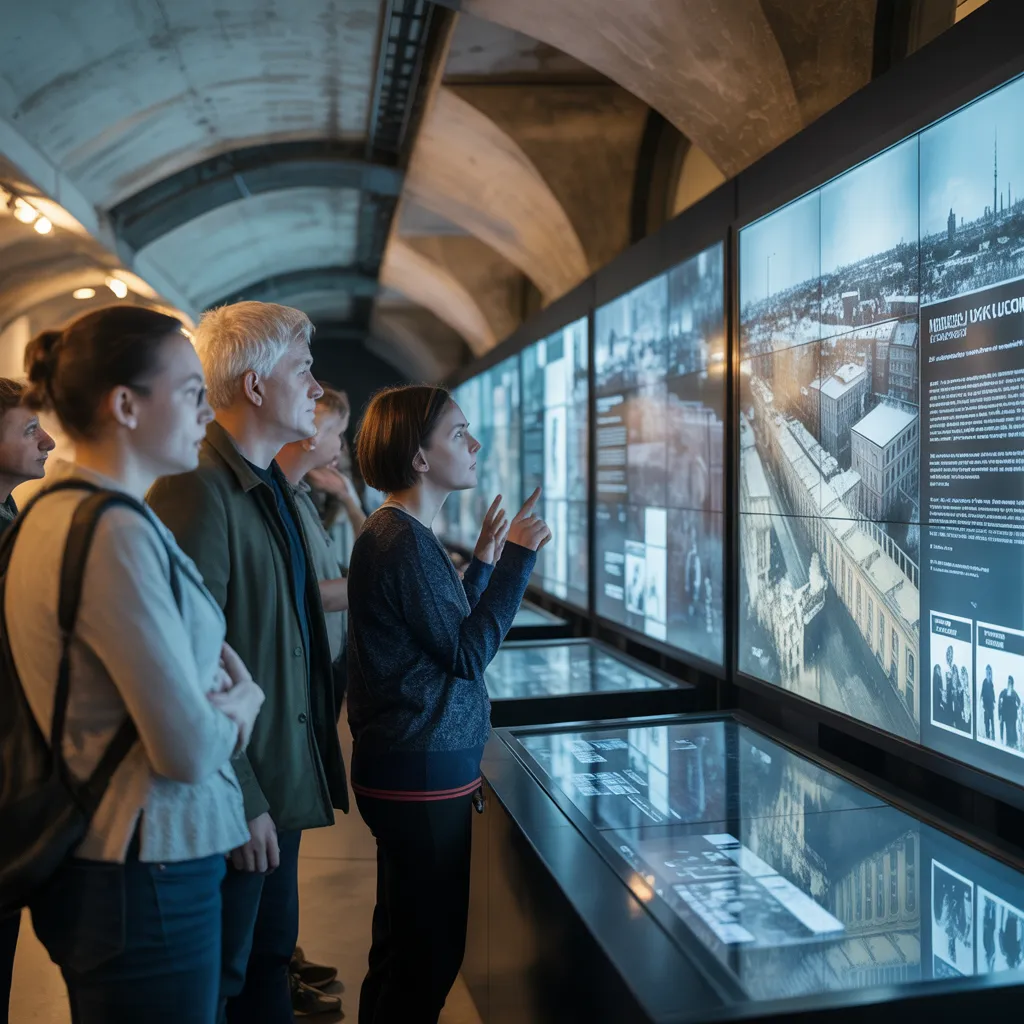
In what ways can interactive exhibits deepen knowledge of the Warsaw Uprising? At the Warsaw Uprising Museum, these exhibits offer a dynamic way to engage with history. One standout exhibit allows visitors to navigate a virtual map of the city as it existed during the uprising, providing context to the geographical challenges faced by insurgents. Another immersive experience simulates the sounds of battle, enveloping guests in the atmosphere of resistance.
Moreover, the exhibit offers a poignant interactive display where attendees can submit comments and insights, creating a genuine connection to the history being told. Electronic displays present direct accounts from eyewitnesses, connecting the divide between history and today. Such interactive features not only teach but also generate understanding, allowing the depth of the Warsaw Uprising to become easier to understand and connect with. With these forward-thinking features, the exhibit shapes learning about history into an immersive exploration that leaves a lasting impression with all who attend.
Guidelines For Your Visit To The Museum
What key tips can improve a visit to the Warsaw Uprising Museum? To begin with, it is recommended to set aside at least two to three hours for a comprehensive exploration of the exhibits. Guests are encouraged to purchase tickets online ahead of time to bypass lengthy lines, particularly during busy tourist seasons. Audio guides are available and recommended, as they provide valuable context and deeper insights into the exhibits.
Getting there early in the day can also enhance the experience, creating a more peaceful environment. Comfortable footwear is essential, as the museum features extensive walking and standing. In addition, guests are encouraged to review the museum's calendar for exclusive events, educational workshops, or informative guided tours that may deepen their knowledge. As a final tip, engaging with the museum staff for recommendations can open the door to lesser-explored exhibits and accounts that showcase the strength of Warsaw's residents throughout the uprising.
How The Uprising Forms Modern Polish Identity
The Warsaw Uprising remains a pivotal event in the history of Poland, profoundly influencing the national identity of the Polish people. This courageous 1944 stand against Nazi occupation embodies courage, resilience, and the struggle for freedom. The Uprising has grown into a key reference point in present-day Polish patriotism, fostering feelings of solidarity among people who regard it as a testament to their collective past and ideals.
In contemporary Poland, the Uprising is honored in a variety of ways, from official gatherings to cultural celebrations, deepening a communal memory that influences national awareness. The bravery demonstrated during the Uprising is honored through literature, cinema, and art, serving to inspire national pride.
Additionally, the Uprising's legacy inspires continual discussions about democracy, sacrifice, and historical memory, shaping public discourse and civic participation. As a result, the Warsaw Uprising's significance remains a fundamental element of the Polish national identity, capturing the enduring quest for sovereignty and the spirit of resistance.
Inspiring Future Generations Through The Museum
The Museum of the Warsaw Uprising holds a significant position in teaching younger audiences through its interactive exhibits, which connect them to the key moments of the rebellion. By preserving these narratives, the institution not only commemorates what came before but also cultivates a feeling of duty in the next generation. This methodology fosters a greater awareness of the past and its lasting influence on the Polish national character.
Learning Through Interactive Exhibits
Although numerous museums seek to conserve history, the Warsaw Uprising Museum adopts a unique methodology by immersing visitors in interactive displays. These carefully designed installations encourage visitors to deeply explore the stories of those who endured the uprising. By incorporating multimedia showcases, virtual reality simulations, and engaging activities, the museum encourages a greater comprehension of the historical context and emotional weight of the events. Attendees can discover real artifacts and immerse themselves in storytelling that brings history to life, ensuring it resonates with future generations. This engaging framework not only educates but also inspires empathy and critical thinking, guaranteeing that the insights of the uprising extend far beyond the museum walls, influencing the outlooks of tomorrow's leaders.
Sustaining the Influence of Historical Narratives
Via its interactive displays, the Warsaw Uprising Museum not only informs guests but also serves a vital function in safeguarding historical accounts that resonate with future generations. By highlighting individual accounts, artifacts, and digital displays, the museum fosters a deeper awareness of the Uprising's significance. This involvement helps to affirm that the sacrifices made during this pivotal chapter in history are not lost. The museum emphasizes the significance of collective memory, resilience, and bravery, motivating young people to reflect on their own principles and duties. As attendees engage personally with the past, they are motivated to become engaged contributors in shaping a more equitable future. Consequently, the museum functions as a essential channel for passing on these important stories through generations.
Personal Accounts That Bring History to Life
Amidst the relics and exhibits of the Warsaw Uprising's commemorative museum, personal narratives emerge as powerful demonstrations of endurance and valor. Each narrative, regardless of whether it comes from a fighter or a resident, delivers a profoundly touching insight into the human experience during one of the most somber chapters in history. The exhibit features written correspondence, journals, and spoken accounts that convey the sentiments of sorrow, aspiration, and courage, allowing visitors to connect with the past on a deeply personal level.
These stories illuminate the complexities of perseverance, demonstrating how everyday people transformed into exceptional heroes. They uncover the ethical challenges faced during the uprising and the connections formed through hardship. By sharing these personal narratives, the museum safeguards history but also highlights the significance of personal perspectives in forming shared memory. Ultimately, these intimate narratives reshape the comprehension of the uprising, permitting it to echo in modern conversations surrounding resistance and identity.
Common Questions and Answers
What Are the Museum's Business Hours and Ticket Prices?
The museum functions daily from 10 in the morning until 6 in the evening, with extended hours on Thursdays until 8 PM. Ticket prices are 25 PLN for adults, while students and seniors enjoy reduced rates at 15 PLN.
Can You Take a Guided Tour at the Warsaw Uprising Museum?
Indeed, guided tours are offered at the Warsaw Uprising Museum. These tours provide comprehensive insights into the displays and historical background, deepening visitors' appreciation of the events and significance of the uprising. Booking in advance is recommended.
Is Photography Permitted Inside the Museum?
Taking photographs is typically not allowed inside the museum in additional information order to protect the displays and honor the dignified nature of the environment. Attendees are kindly asked to appreciate the experience without the use of cameras, directing their attention toward the historical importance of the artifacts.
Is There a Gift Shop or Café Available On-Site?
The museum includes both a souvenir shop and a cafeteria on-site. Patrons have the opportunity to shop for keepsakes and indulge in light refreshments, enhancing their overall visit while exploring the historical significance of the museum's exhibitions.
Are There Any Special Events or Exhibitions Coming Up?
The museum regularly hosts special events and exhibitions. Scheduled programs include lectures, film screenings, and interactive displays, providing visitors with deeper insights into the profound history of the Warsaw Uprising and its continuing influence.